Our work with the Coal Transition Commission (CTC) is focused on finding ways to develop policy and financial solutions that can be delivered at scale to accelerate the transition from unabated coal power to clean energy, while keeping power reliable and affordable.
The CTC was launched at COP28 and brings together governments, financial institutions, industry, international organisations and experts to identify practical solutions to help countries overcome the challenges and access the benefits of the coal-to-clean transition. It is co-chaired by Indonesia and France, with the Secretariat hosted by the Powering Past Coal Alliance.
The focus is on delivery: turning pledges into real projects, investment, and implementation on the ground.
In November 2025, the CTC released two further technical reports “Growing the Pipeline of Coal-to-Clean Projects” and “From Flex to Phase-out“. Together, the technical reports aim to provide evidence-based solutions and lessons learned to identify opportunities to scale the pipeline of coal retirement projects as well as assess the role of flexible operation of specific coal plants in emerging markets.
The result of several engagements and in-depth analyses by partners, the reports highlight critical actions that can be taken in the near term to accelerate the coal to clean transition. For example, they show that nearly half of ASEAN’s coal power can be retired early using finance solutions that exist today. They also examine the critical role of flexible sources in supporting renewable energy growth, and the near-term role that coal flexibility with robust guardrails may play in certain circumstances.
Together, these technical reports provide governments, utilities, financiers, and practitioners with practical tools to accelerate the transition away from coal in emerging economies.
Farah Heliantina, Assistant Deputy for the Acceleration of Energy Transition at Coordinating Ministry for Economic Affairs, Indonesia, and CTC Co-Chair said:
“Indonesia is actively exploring how to be a leader in the global energy transition, given the opportunity to create a cleaner, more competitive economy for future generations. With credible plans for transitioning our energy system and international support to deliver on those plans, we can achieve our growth targets and reduce our emissions at the same time. The work that CTC undertakes helps provide important evidence and technical insights to inform our own and other countries’ efforts to navigate coal transitions.”
Eleonoire Caroit, Minister in charge of International Partnerships, France, and CTC Co-Chair said:
“Phasing out coal is not only one of the most urgent challenges to keep the 1.5°C goal of the Paris Agreement within reach – it is also a key opportunity to foster sustainable growth while ensuring energy security and sovereignty. These reports show that practical solutions are emerging, which now need to be scaled up. The Coal Transition Commission is willing to work with governments and financial institutions to move this agenda forward, in line with the collective ambition to make COP30 an implementation COP”
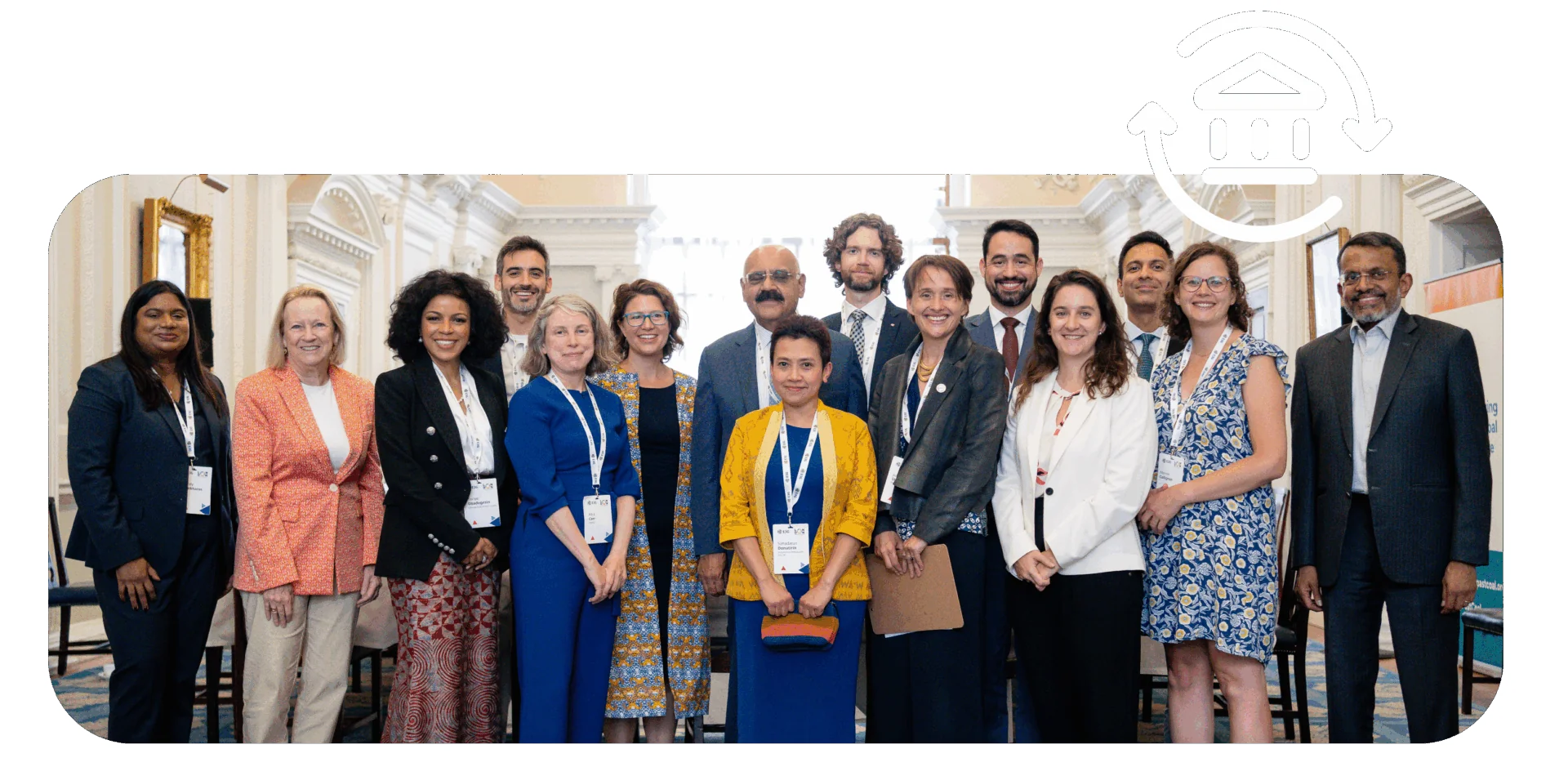
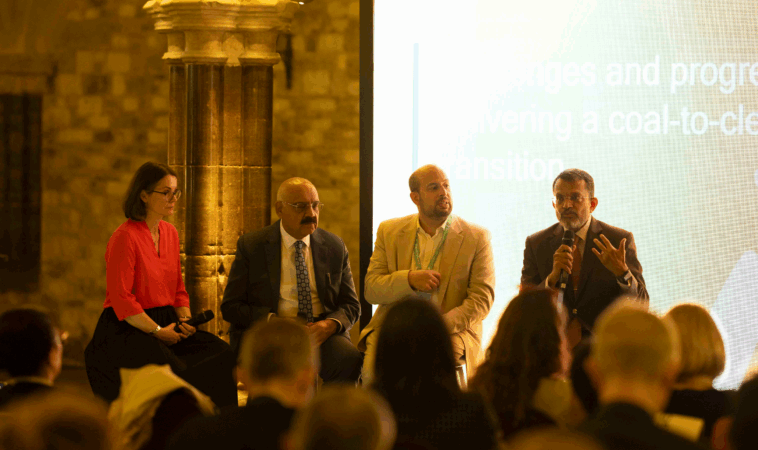
Participants at the Financing a Coal-to-Clean Transition” roundtable during the London Climate Action Week, one of the sessions that fed into the CTC’s two latest reports.
This report identifies around 150 gigawatts of operating coal capacity worldwide, roughly one third of the assessed fleet, as near-term opportunities for exploring early retirement and replacement with clean energy. The report outlines pathways to grow today’s modest set of coal retirement projects into a scalable global project pipeline, demonstrating that successful coal-to-clean transitions depend on combining transition-ready assets, innovative financial, technical, and contractual solutions and enabling policy and planning. By scaling proven solutions where enabling conditions are favourable, improving coordination, innovating for harder-to-transition assets, and investing in the policy and institutional foundations in more challenging markets, it is possible to unlock credible, investable pathways for the global coal-to-clean transition.
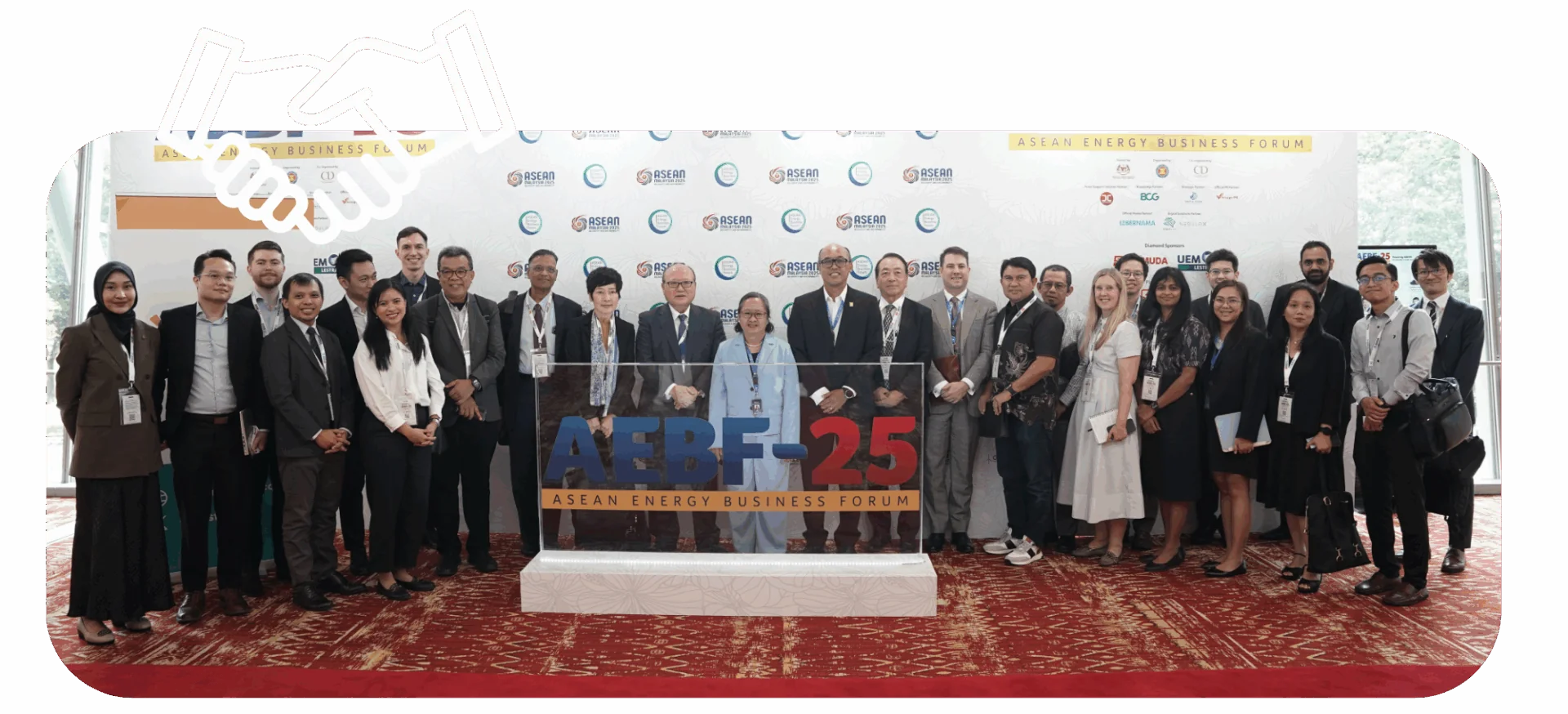
Participants at the “Enabling Flexibility in Coal-Dominated Grids” roundtable during the Asia Energy Business Forum/ ASEAN ministerial, Kuala Lumpur, one of the sessions that fed into the CTC’s two latest reports.
This report takes a meaningful step towards closing the knowledge gap that currently exists around the role of coal flexibility in coal-to-clean transitions. The report concludes that, in some circumstances, operating coal assets flexibly could support a more rapid integration of renewables in the near term as alternative sources of flexibility are built out, so long as robust guardrails are in place to manage the risk of unduly prolonging coal use. The paper examines the system-level and asset level circumstances under which coal flexibility may be considered, the implementation challenges, and the guardrails that need to be in place.